

Symbiosis Institute of Business Management, Hyderabad organized an engaging guest lecture titled “High Performance Coaching: Feedback & Performance Conversations” as part of the Talent Management curriculum for the MBA Batch of 2024–26. The session was delivered by Ms. Vanita Khatter, an accomplished Executive Coach, Leadership Facilitator, and Corporate Trainer with extensive experience in coaching, leadership development, and performance enablement.
The primary objective of the session was to help students understand the connection between coaching-oriented leadership, effective feedback, performance conversations, and the development of high-performing individuals and teams, particularly within the domain of Human Resource Management. The session emphasized active listening, goal clarity, constructive dialogue, and continuous development as essential drivers of individual and organizational excellence.
Symbiosis Institute of Business Management, Hyderabad conducted a transformative and highly engaging guest lecture titled “High Performance Coaching: Feedback & Performance Conversations” for the MBA Batch of 2024–26 under the Talent Management specialization. The session was facilitated by Ms. Vanita Khatter, a seasoned Executive Coach, Leadership Facilitator, and Corporate Trainer. With extensive experience in leadership development, coaching practices, and performance enablement, her session focused on connecting the principles of coaching mindset, behavioural development, feedback culture, and goal alignment with modern HR and Talent Management perspectives.
The session began with a reflective question posed by the speaker:
“What differentiates a manager from a high-performance coach?”
Rather than offering a purely theoretical response, the speaker guided students through workplace scenarios, interactive discussions, roleplays, and real-life examples, explaining that high performance is not achieved through instructions alone it is built through purposeful conversations, continuous feedback, and empowerment-driven leadership.
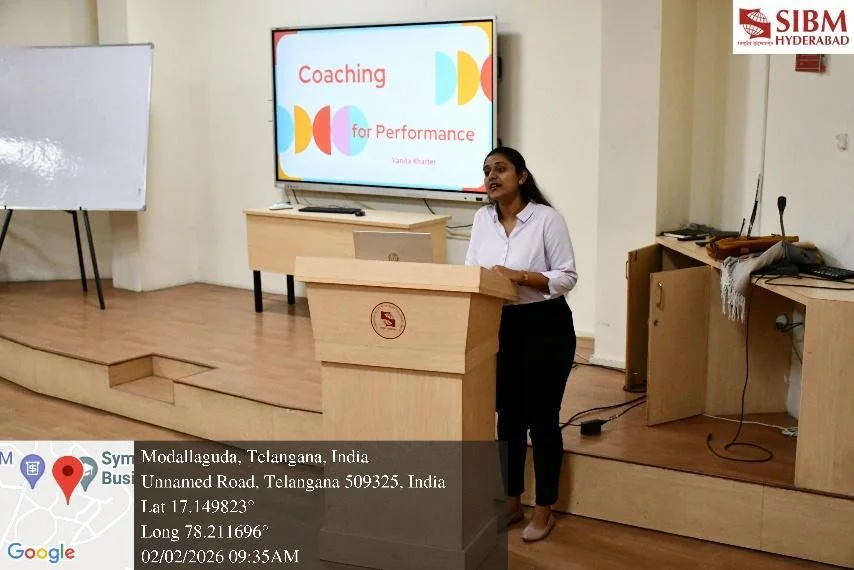
(Anchor for the event and introduction of the guest)
The speaker first demonstrated a coaching conversation using a live roleplay, showing how a performance issue can be addressed through open-ended questioning, active listening, and collaborative problem-solving. She used this demonstration to emphasize that individuals grow faster and perform better when they are encouraged to reflect, take ownership, and identify their own solutions personally and professionally.
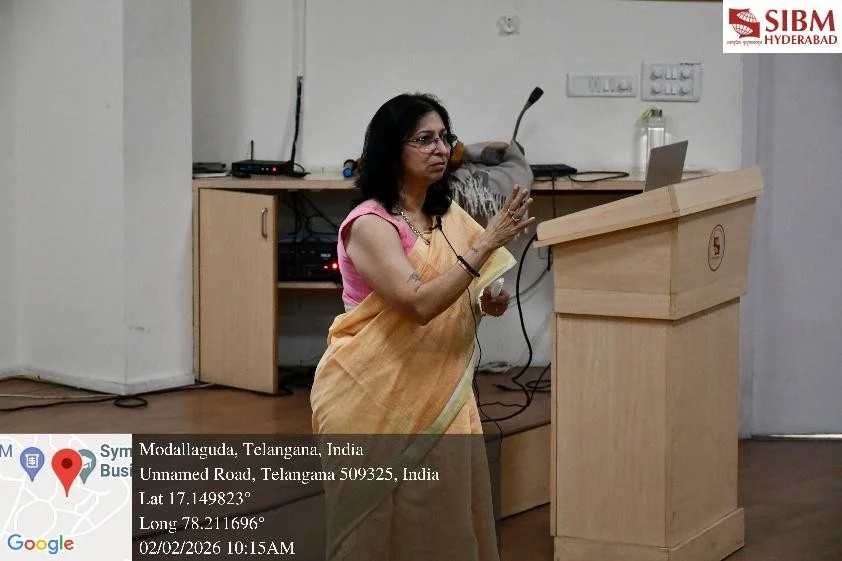
(Ms. Vanita addressing the students)
Later in the session, students participated in a mentoring roleplay activity, where they assumed the roles of mentor and mentee to practice guiding conversations around career goals, strengths, and development needs. This exercise helped students understand how mentoring complements coaching by providing direction, sharing experiences, and supporting long-term growth. The activity enabled participants to experience how trust, empathy, and structured dialogue strengthen developmental relationships.
This theme transitioned into the discussion of leadership language and internal orientation. She highlighted two contrasting approaches that shape one’s effectiveness as a leader:
Directive mindset:
“I will tell them what to do,” “They should already know.”
Coaching and growth mindset:
“How can I support?” “What will help you succeed?” “What are your options?”
The speaker stressed that high performance begins with adopting a coaching mindset and using language that stimulates thinking and accountability.
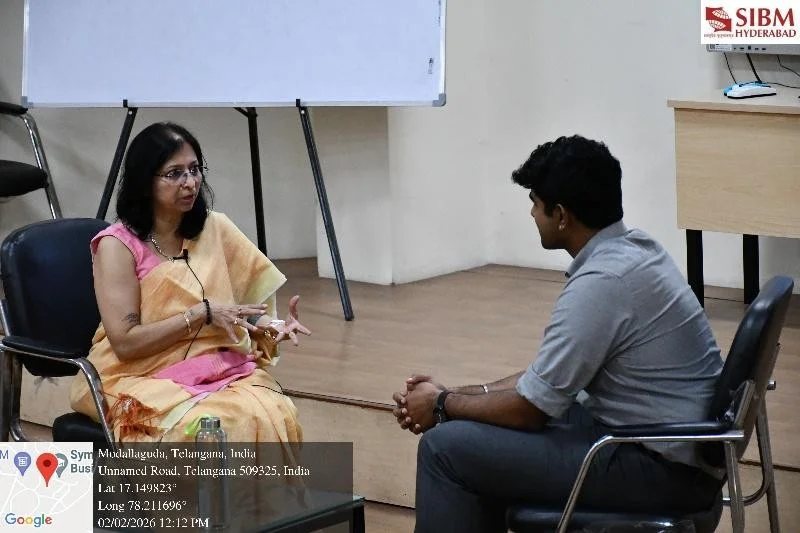
(Ms. Vanita and students in roleplay activities)
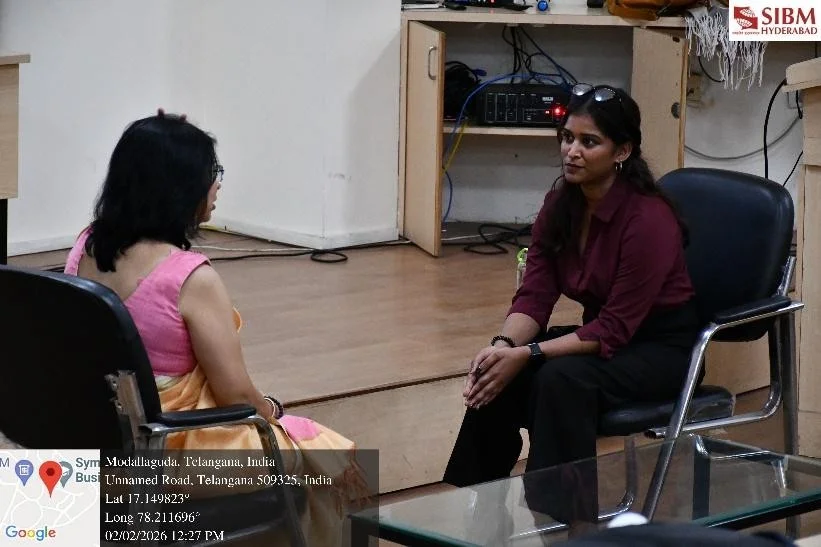
(Ms. Vanita and students in roleplay activities)
Students were encouraged to recognize their responsibility in shaping others’ growth through the quality of their conversations. Linking this to Talent Management, she underscored that organizations value professionals who can develop people, not just manage tasks.
To deepen the idea of ownership, she explained that performance is influenced by three key elements:
G – Goals
B – Behaviour
R – Results meaning results are achieved only when goals are clear and behaviours are consciously aligned.
She highlighted that every interaction presents a choice to coach, mentor, support, and develop rather than criticize or control.
The session naturally progressed to feedback and behavioural transformation. Referencing coaching and leadership frameworks, she spoke about how high-performing individuals and leaders practice:
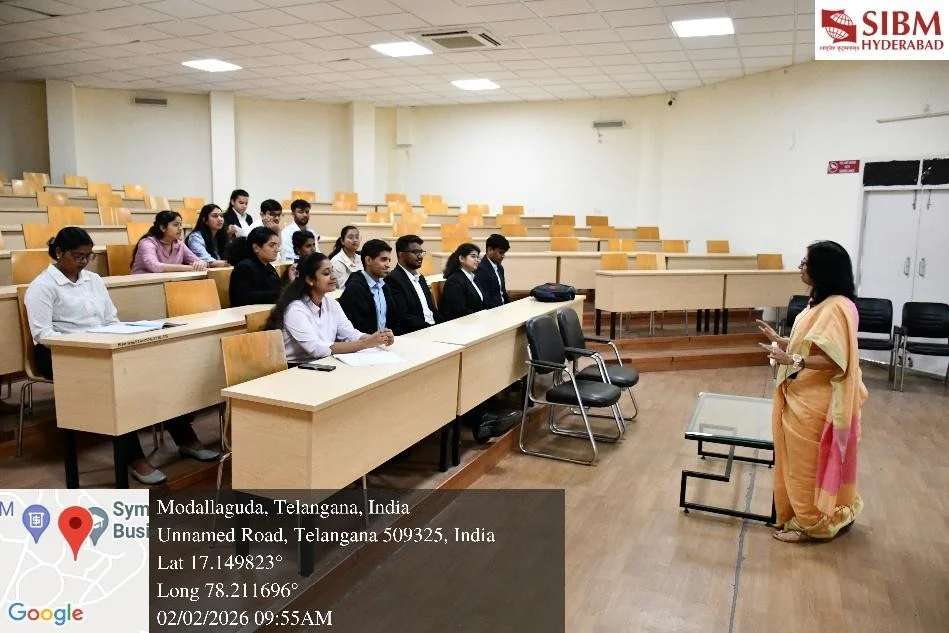
(Ms. Vanita addressing QnA)
Students were encouraged to view coaching and mentoring as lifelong leadership skills and to pursue excellence not for comparison, but for impact.
The session concluded with an engaging Q&A segment, followed by gratitude expressed by students and faculty.
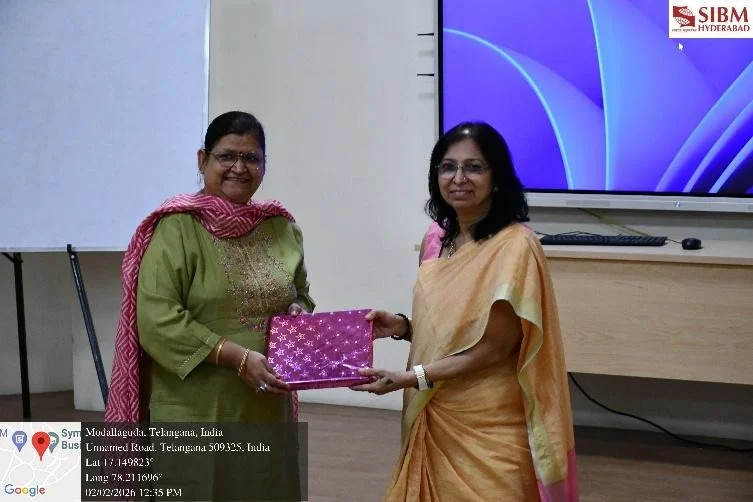
(Felicitation of the guest speaker by in-house faculty in-charge)
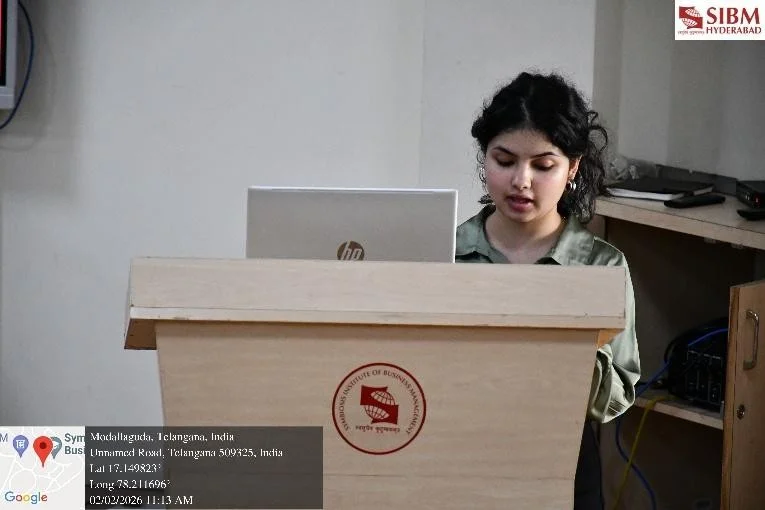
(Vote of Thanks)
Conclusion: The session served as a powerful reminder that Talent Management begins with developing people through meaningful conversations. The lecture inspired students to adopt a coaching and mentoring mindset, embrace feedback, and practice continuous development. Through experiential learning, roleplays, and practical insights, the speaker reinforced that high performance is not accidental it is intentional, nurtured, and consistently cultivated.
The guest lecture successfully aligned coaching, mentoring, and performance management principles with HR and career-building frameworks, leaving students motivated to build capability, confidence, consistency, and contribution.
MBA STUDENTS Batch 2024-2026:
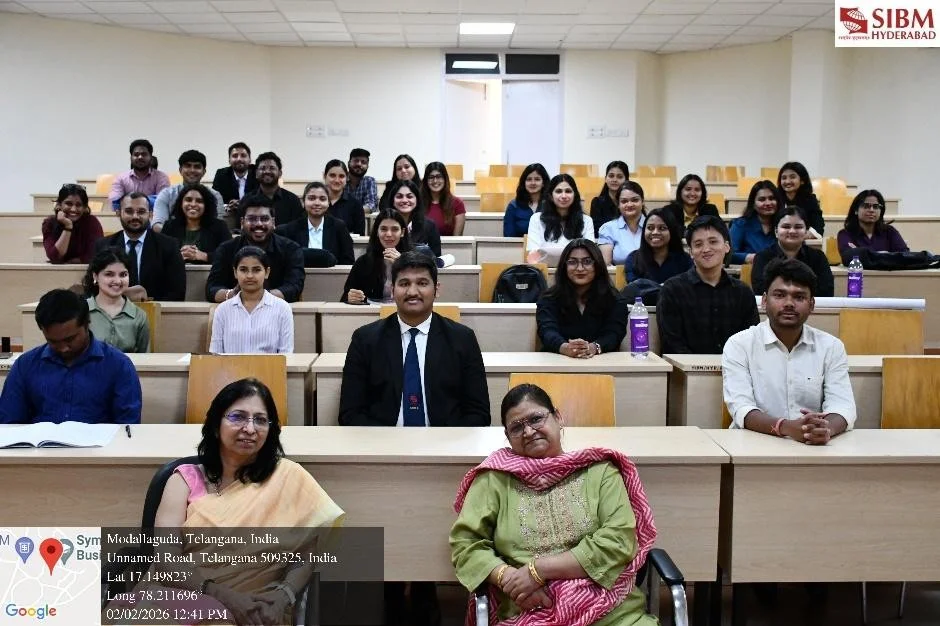
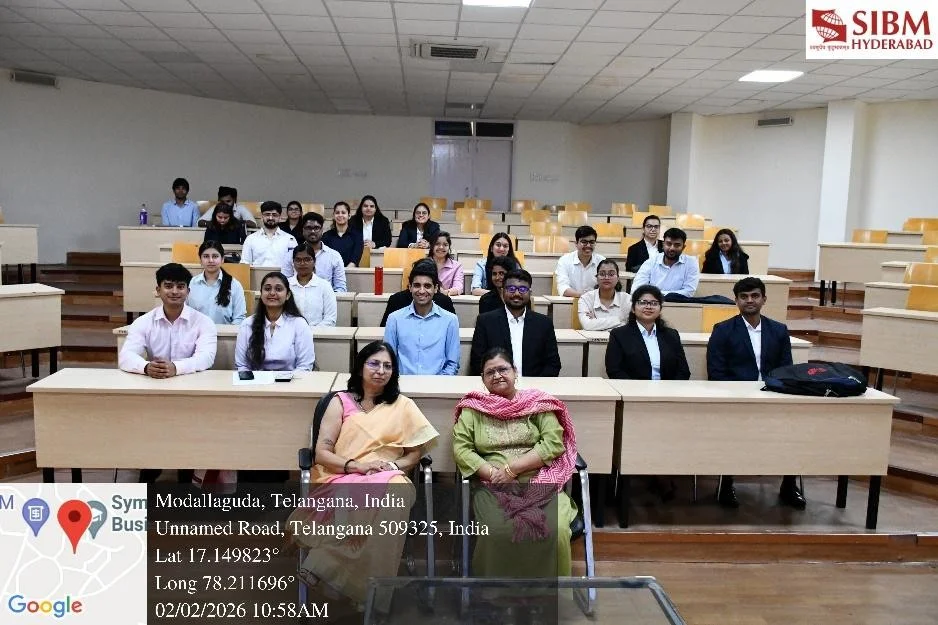
(Group Photograph with MBA Students)


