

To gain practical exposure to India’s growing defense and aerospace manufacturing ecosystem and understand the role of private sector participation in national defense production through technologies such as missiles, UAVs, kamikaze drones, and integrated aerospace services like aircraft maintenance and MRO.
The visit offered an insightful understanding of missile systems, drone warfare, and Adani’s contribution towards building a defense manufacturing ecosystem. The interaction sessions with industry and defense experts helped students connect theoretical learning with real- life defense applications, technology development, and the importance of adaptability and leadership.
The Industrial Visit to Adani Aerospace Park proved to be an informative and enriching experience for the students. The visit was designed to provide students with first-hand exposure to India’s expanding aerospace and defense manufacturing sector and the important role played by private organizations in supporting national security infrastructure and indigenous defense development.
The session began with a formal address and introduction to the Adani Defense ecosystem.
We were addressed by Captain Deshpande, who provided an overview of Adani Defense and Aerospace initiatives. He highlighted that the Adani Defense Headquarters is located in Ahmedabad and spoke about Project Udaan, which is focused on strengthening India’s aerospace and defence ecosystem through indigenous development and private sector capability building.
Captain Deshpande also explained the importance of collaboration between government research organizations and private players. In this context, he discussed the DRDO model of DCPP (Development Cum Production Partner), which was conceptualized as an idea promoted by Dr. A.P.J. Abdul Kalam.
Under this model, DRDO and industry partners jointly contribute to development and production, enabling faster innovation, scalable manufacturing, and a stronger self-reliant defense ecosystem.
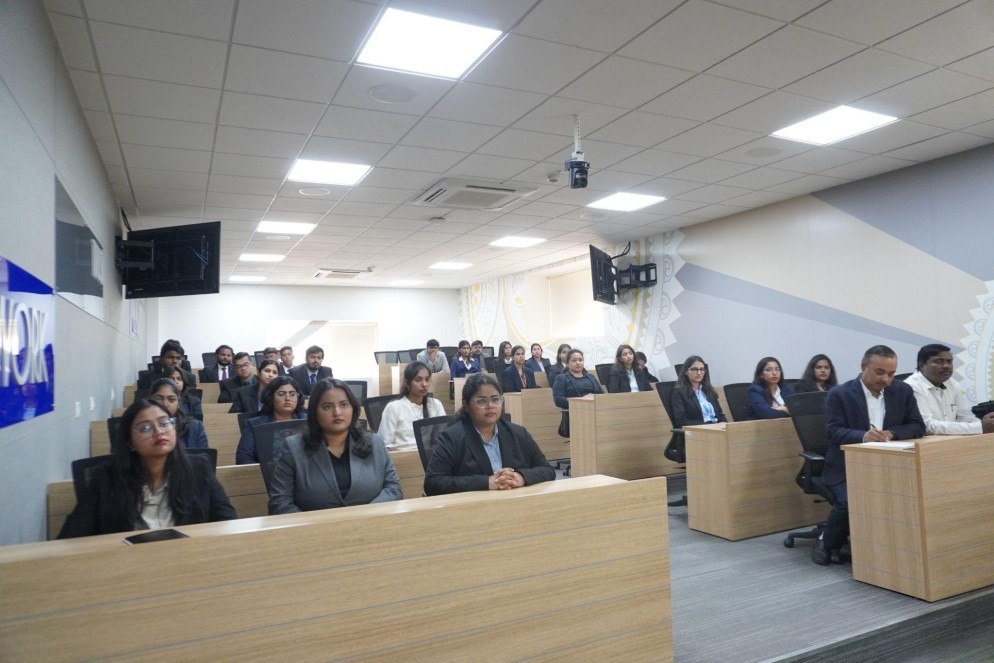
(Figure 1: Address by Captain Deshpande at the start of the visit.)
The session was further enriched by an inspiring address from Brigadier S.P. Singh, who shared personal experiences from his life in the army. He emphasized discipline, resilience, and most importantly, the need for adaptability.
He shared a key learning that left a strong impact on the students: “Survival belongs to the one who adapts to change.”
His interaction helped students understand that while technology is essential, leadership, mindset, and human adaptability remain at the core of defense effectiveness.
Another key highlight of the visit was the detailed explanation of UAVs (Unmanned Aerial Vehicles) and their growing role in defence operations.
We were briefed on how UAVs are being increasingly used in modern military operations for:
We were also introduced to Kamikaze drones, which are one-way attack drones designed to strike high-value targets with accuracy. These drones are highly effective in minimizing risk to human soldiers while enabling quick and direct tactical attacks.
The visit also included a meaningful discussion on Hyderabad’s future potential in UAV development and usage, indicating the city’s increasing relevance as a defense-industrial hub, especially for drone technology.
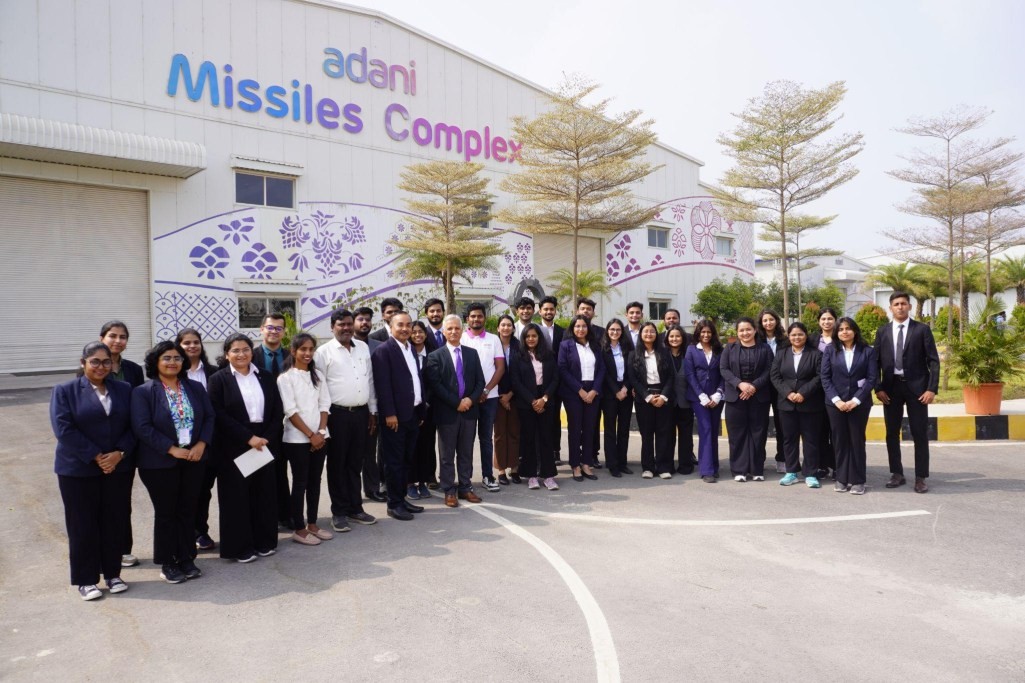
(Figure 2: Group photograph with Brigadier S. P. Singh and the Adani Aerospace Park guide.)
During the technical briefing, we were introduced to several important missile systems and defense equipment relevant to modern warfare and strategic defense.
The following technologies were explained in detail:
The session helped us understand how these systems work not just individually, but as part of a larger combat and defense network.


