Research Week 2025


Decoding Data: Quantitative Research Methods for Academic Publishing

Organized by:
Cell of Research (CoRe)
Symbiosis Institute of Business Management (SIBM), Hyderabad

In Collaboration With:
SPSS South Asia

Mode: Hybrid (Online + Offline Mentoring + Hybrid Presentation)

Dates:
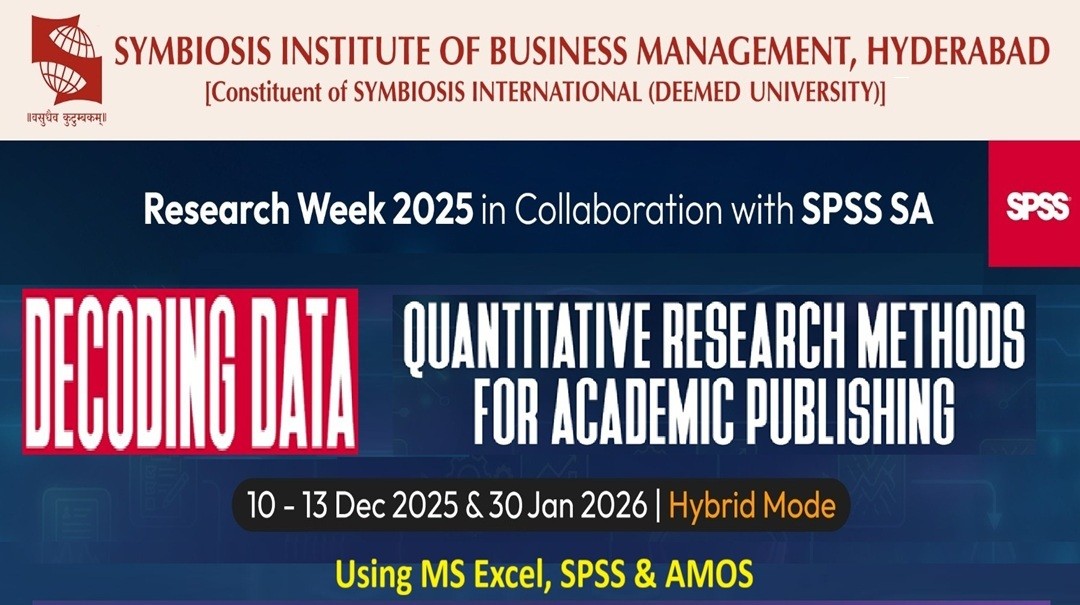
  • Phase 1 – Online Workshops: 10–12 December 2025
  • Phase 2 – Proposal Discussion & Mentoring Clinic: 13 December 2025
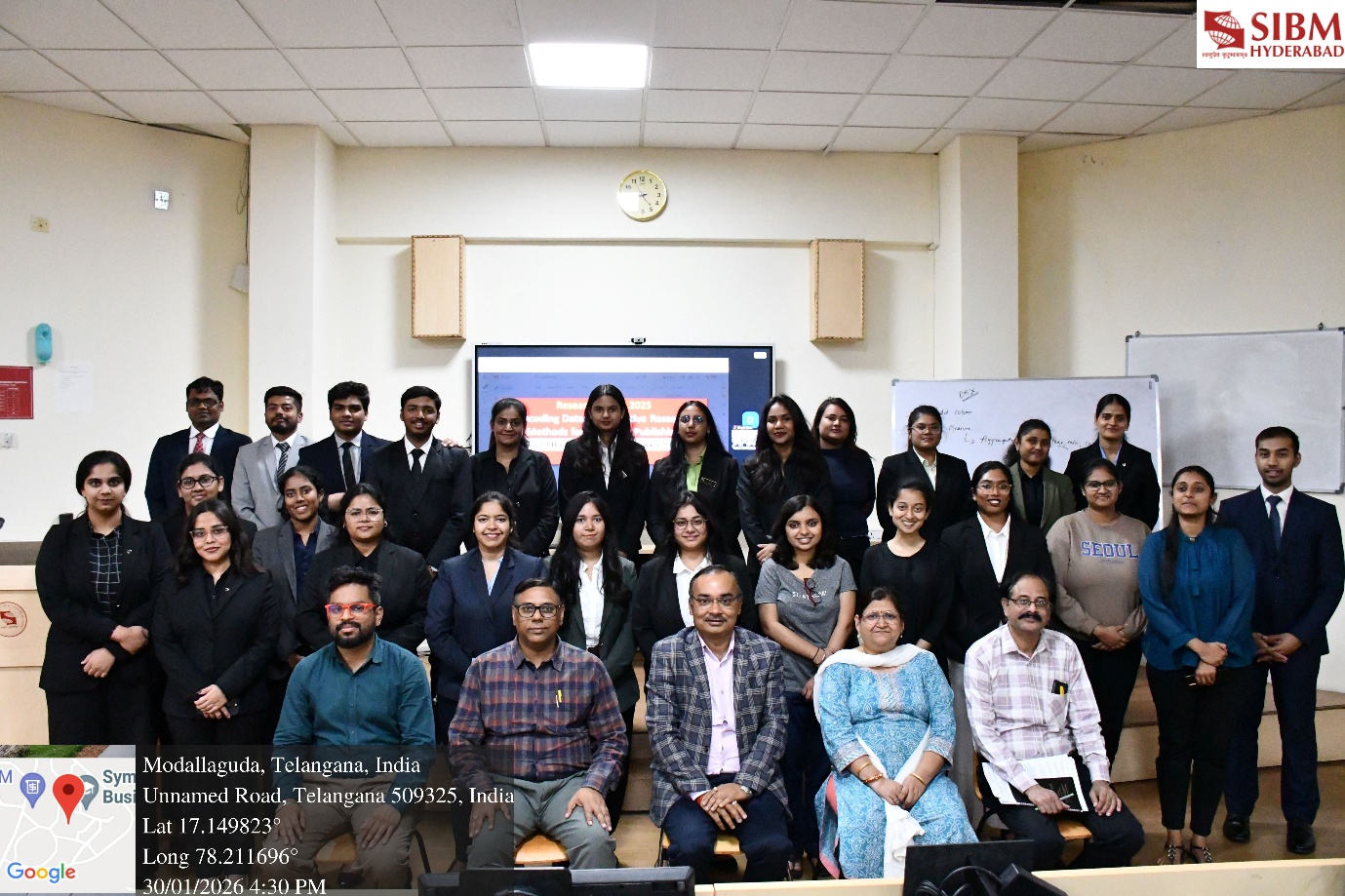
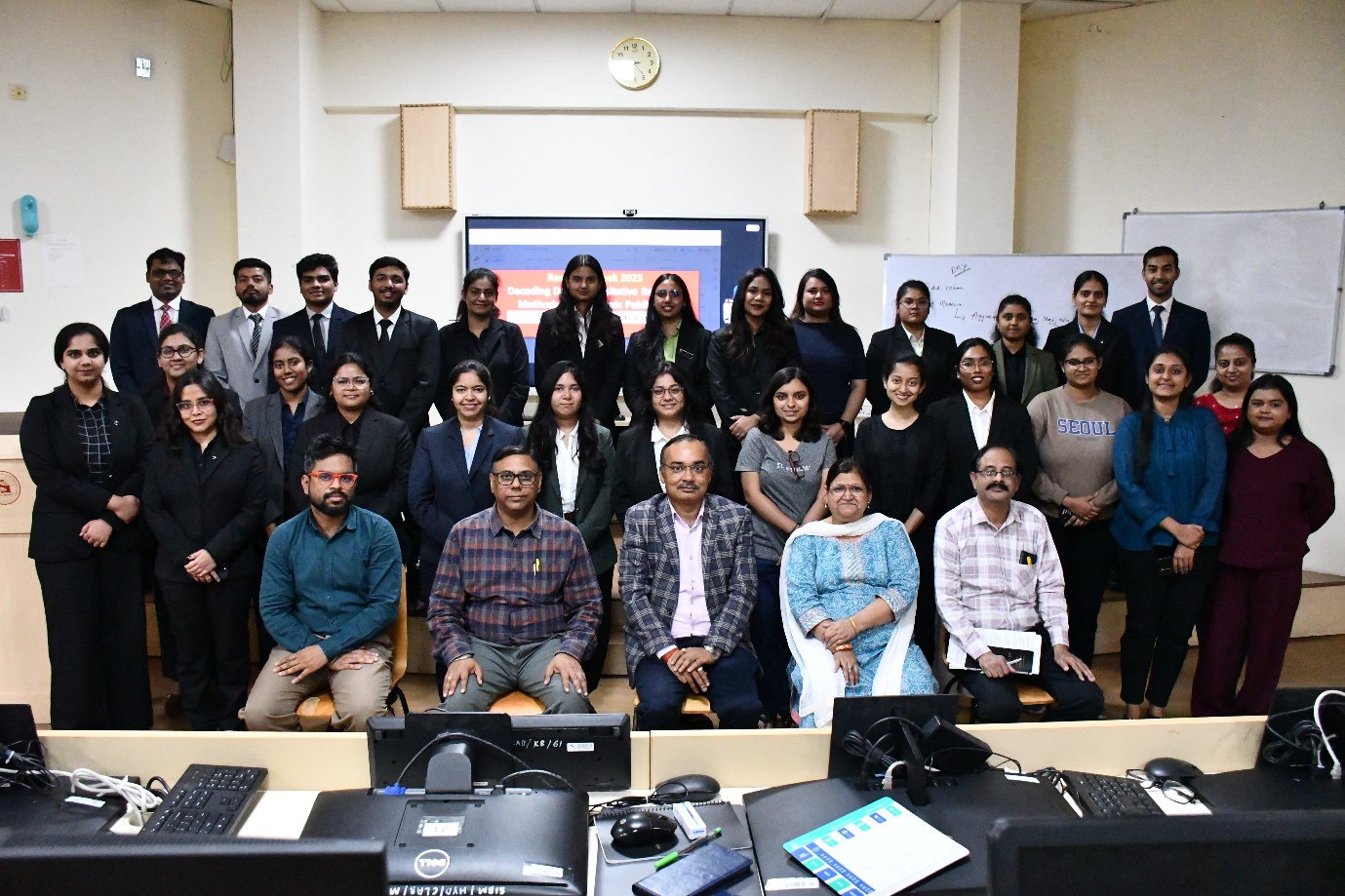
  • Phase 3 – Research Paper Presentation Competition: 30 January 2026

1. Background and Rationale

In contemporary academic and professional environments, data-driven decision-making and empirical research are becoming essential competencies for scholars and practitioners alike. Recognizing the growing importance of methodological rigor and analytical proficiency, the Cell of Research (CoRe), SIBM Hyderabad, organized Research Week 2025 with the objective of strengthening quantitative research capabilities among young researchers.

The event was designed as a structured three-phase program focusing on conceptual foundations, analytical tools, and publication-oriented research development. Conducted in collaboration with SPSS South Asia, the initiative provided participants with practical exposure to commonly used research tools such as MS Excel, SPSS, and AMOS.

The programme aimed to bridge the gap between theoretical research training and the practical requirements of producing high-quality empirical research papers suitable for academic publication.

2. Objectives of the Event

The key objectives of Research Week 2025 were:

  • To enhance participants’ understanding of quantitative research methods and analytical techniques.
  • To provide hands-on exposure to MS Excel, SPSS, and AMOS for empirical data analysis.
  • To develop participants’ ability to conduct systematic literature reviews and identify research gaps.
  • To guide participants in developing theory-driven conceptual models and hypotheses.
  • To mentor researchers in refining their proposals and preparing publication-ready research papers.
  • To foster academic collaboration and research networking among scholars across institutions.

3. Participant Profile

The program attracted participants from various institutions across India.

Total Participants: 45

Participant Categories:

  • PhD Scholars
  • Faculty Members
  • Postgraduate Students (MBA / M.Com / MA)

Participants represented institutions from management, commerce, and allied disciplines, creating a diverse and interactive learning environment.

4. Programme Structure

Research Week 2025 was conducted in three structured phases.

4.1 Phase 1 – Workshops (10–12 December 2025)

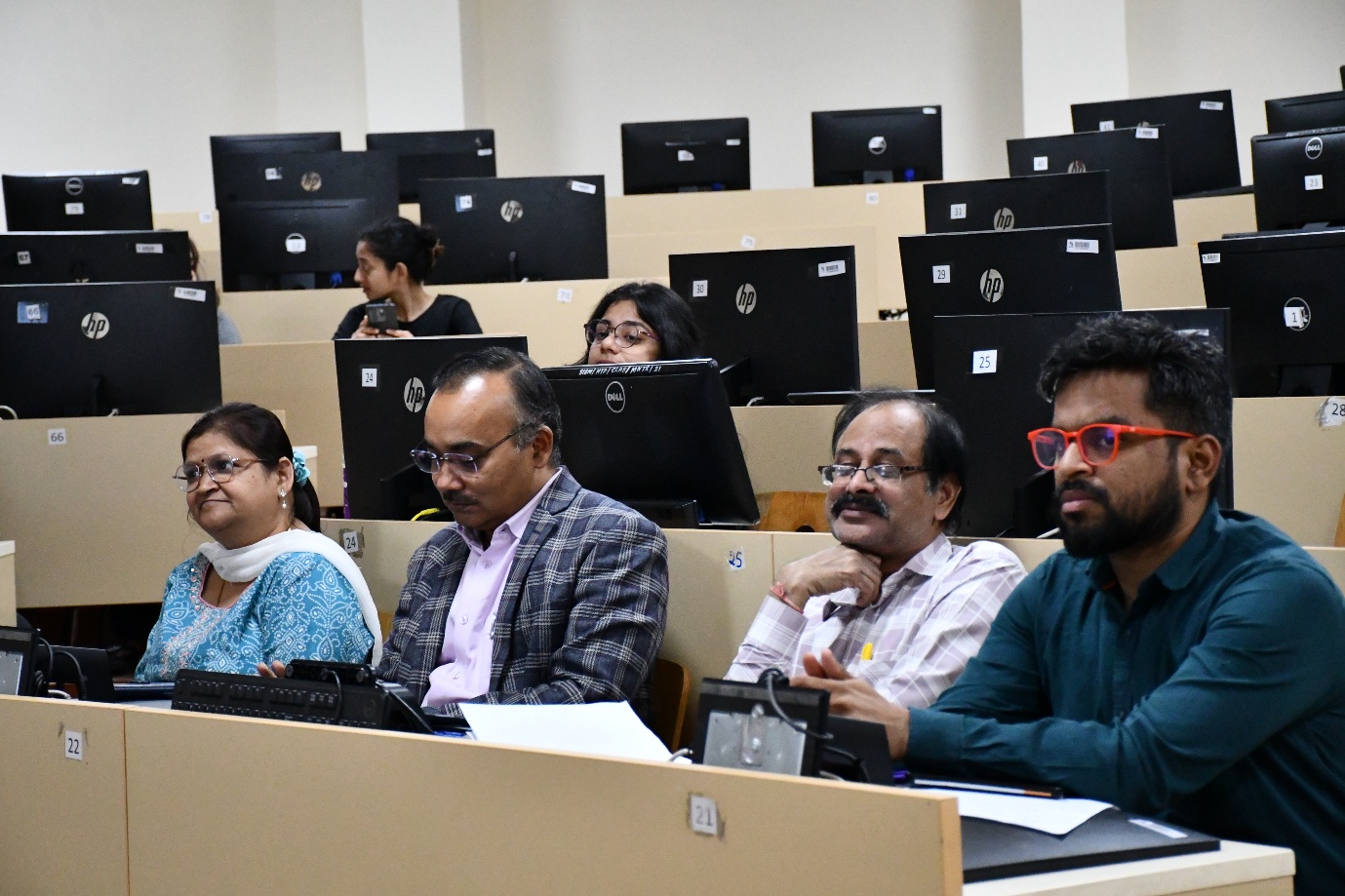
Phase 1 consisted of six expert-led training sessions designed to build conceptual and analytical foundations in quantitative research.

Session Topics

  1. Foundations of Quantitative Research & Theories — Speaker: Dr. Shivoham Singh
  2. Systematic Review of Literature & Gap Identification — Speaker: Prof. R. S. Rai, Bennett University
  3. Descriptive Statistics, Correlation & Regression using MS Excel — Speaker: Dr. Shivoham Singh
  4. Hypothesis Testing (t-Test, Z-Test, Chi-Square, ANOVA) — Speaker: Dr. Shivoham Singh
  5. Factor Analysis & Reliability Testing using SPSS — Speaker: Mr. Satish Kumar
  6. Introduction to Structural Equation Modeling using AMOS — Speaker: Mr. Satish Kumar

These sessions combined conceptual explanations with practical demonstrations, enabling participants to understand both theoretical foundations and applied statistical analysis.

4.2 Phase 2 – Research Proposal Discussion & Mentoring Clinic (13 December 2025)

Phase 2 focused on proposal refinement and academic mentoring.

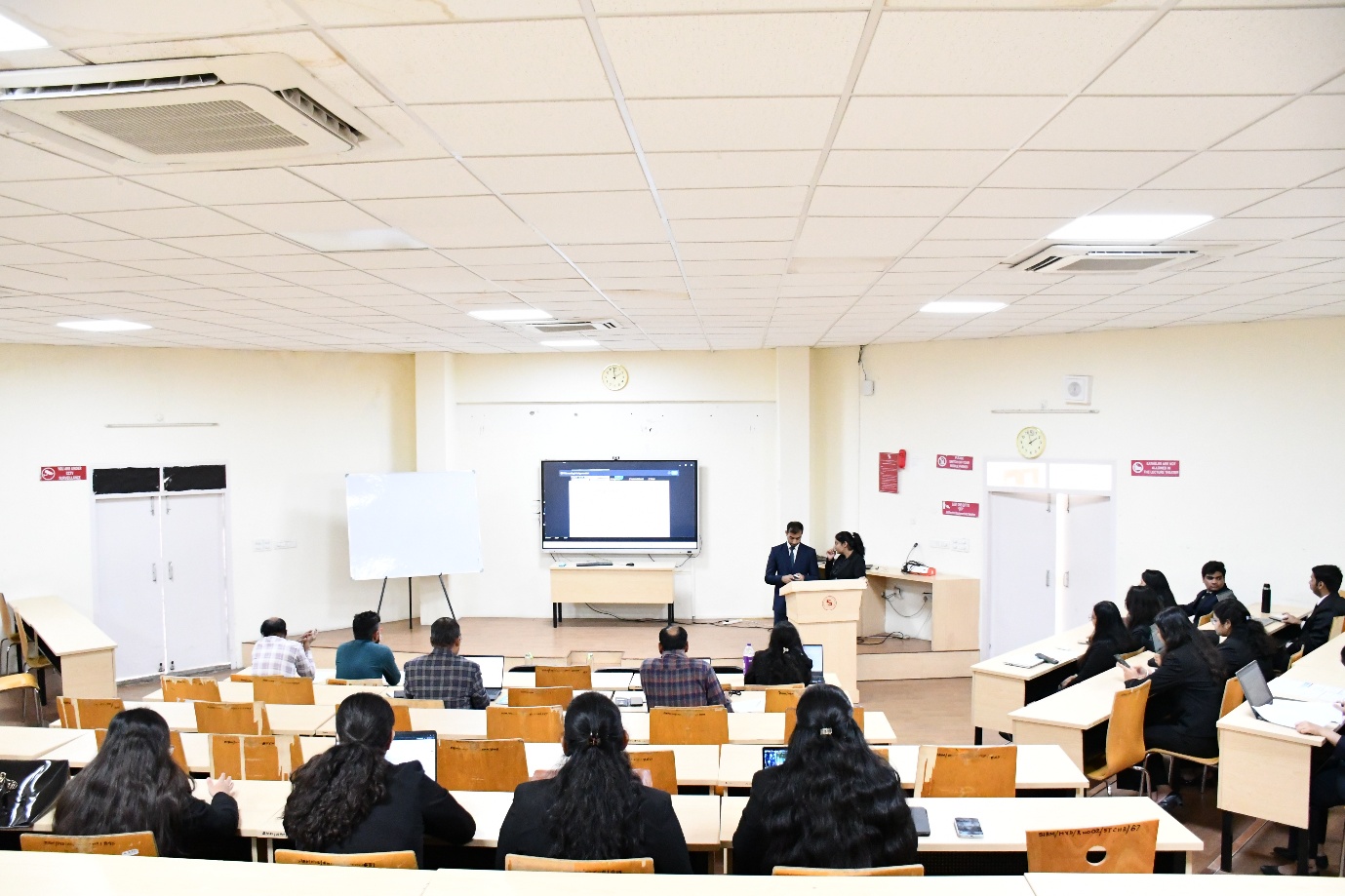
Participants presented their proposed research ideas and conceptual models before a panel of subject matter experts from SIBM Hyderabad.

Key activities included:

  • Research proposal presentations by participants
  • Expert review of theoretical frameworks
  • Feedback on conceptual models and hypotheses
  • Guidance on appropriate research design and analytical tools
  • One-to-one mentoring discussions

The clinic significantly improved the clarity, methodological rigor, and feasibility of participants’ research proposals.

4.3 Phase 3 – Research Paper Presentation Competition (30 January 2026)

The final phase consisted of a research paper presentation competition where participants presented refined research work developed during earlier phases.

Papers were evaluated based on:

  • Conceptual clarity
  • Theoretical grounding
  • Methodological rigor
  • Data analysis and interpretation
  • Practical and academic contribution

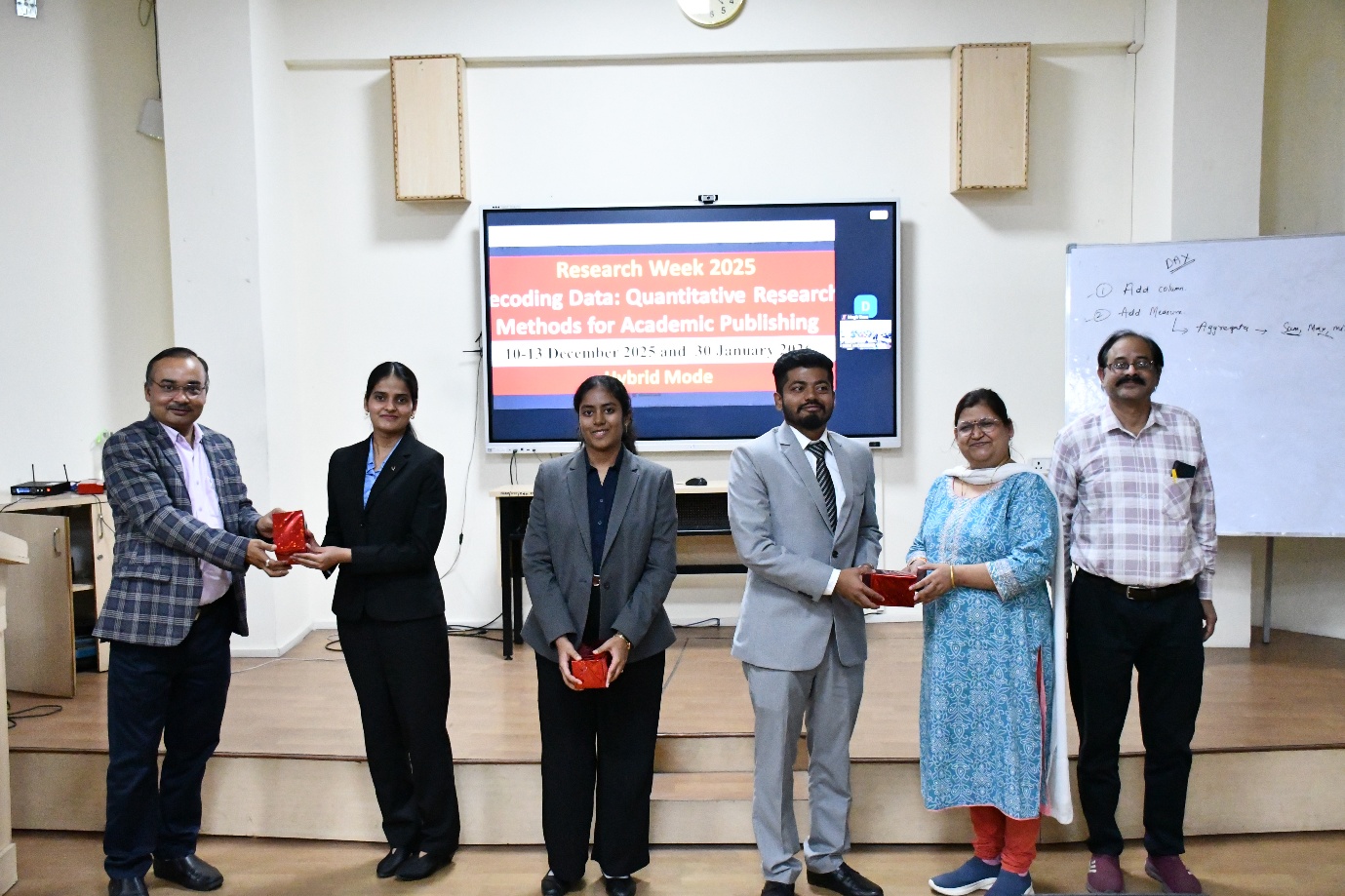
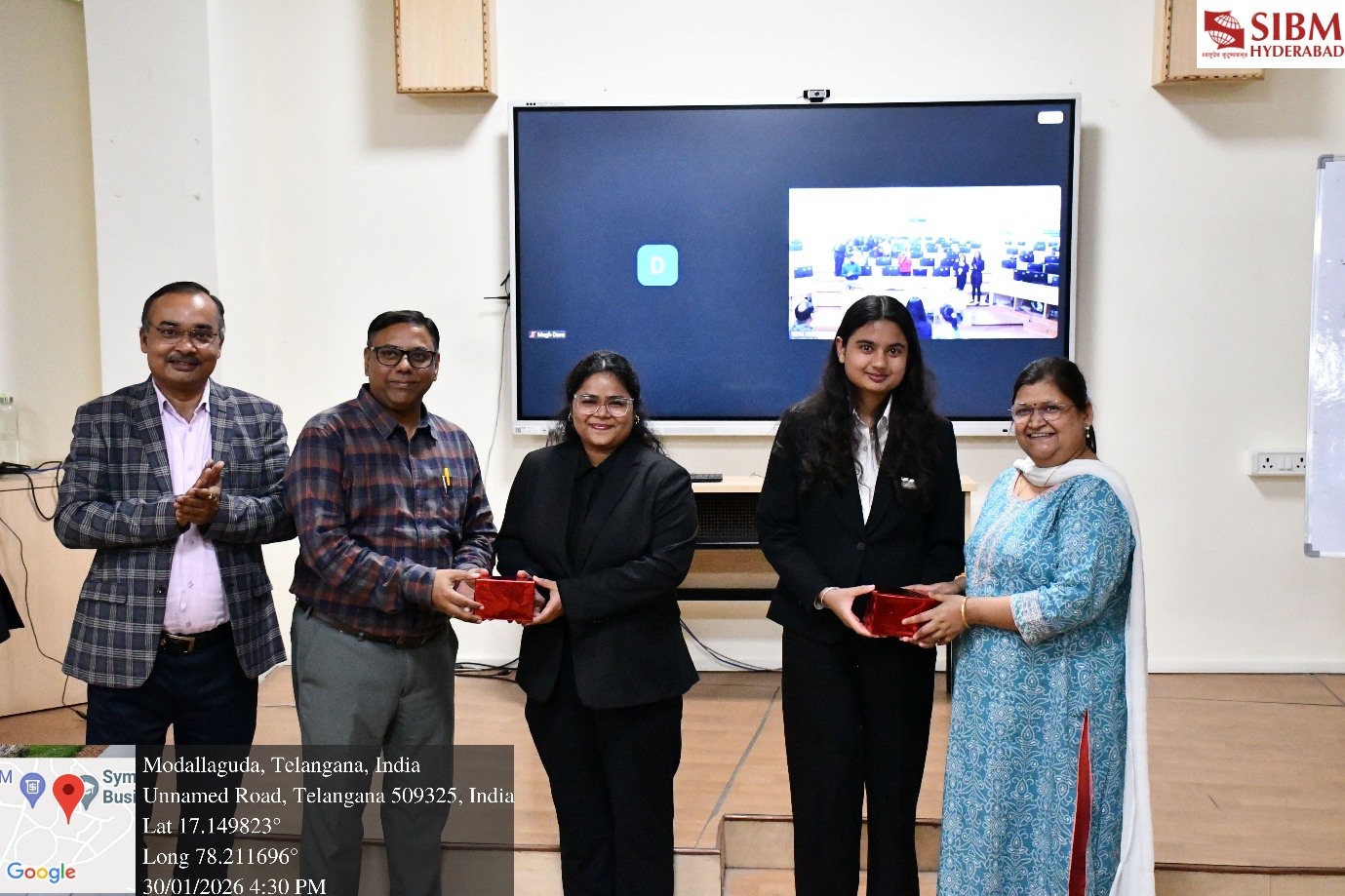
Outstanding papers were recognized with merit awards, and selected submissions were recommended for publication in SIBM Hyderabad’s peer-reviewed journal – Trends in Management Research Journal.

5. Key Outcomes

Skill Development

Participants developed stronger competencies in:

  • Quantitative research design
  • Literature review and gap identification
  • Hypothesis formulation
  • Statistical analysis using Excel, SPSS, and AMOS

Research Development

  • Developed structured research proposals
  • Refined conceptual frameworks
  • Prepared research papers suitable for conference or journal submission

Academic Networking

The event facilitated collaboration among:

  • Faculty members
  • Doctoral scholars
  • Early-career researchers from multiple institutions

6. Participant Feedback

Feedback collected from participants indicated high levels of satisfaction with the programme.

Participants particularly appreciated:

  • The structured learning approach across three phases
  • Practical exposure to statistical tools
  • Expert mentoring during proposal discussions
  • The opportunity to present and refine their research work

Many participants highlighted that the programme significantly improved their confidence in conducting quantitative research and preparing research papers for publication.

7. Outcomes of Phase 3 – Research Paper Presentations

The final phase of Research Week 2025 culminated in a Research Paper Presentation Competition, where participants presented refined research studies developed during the workshop and mentoring phases.

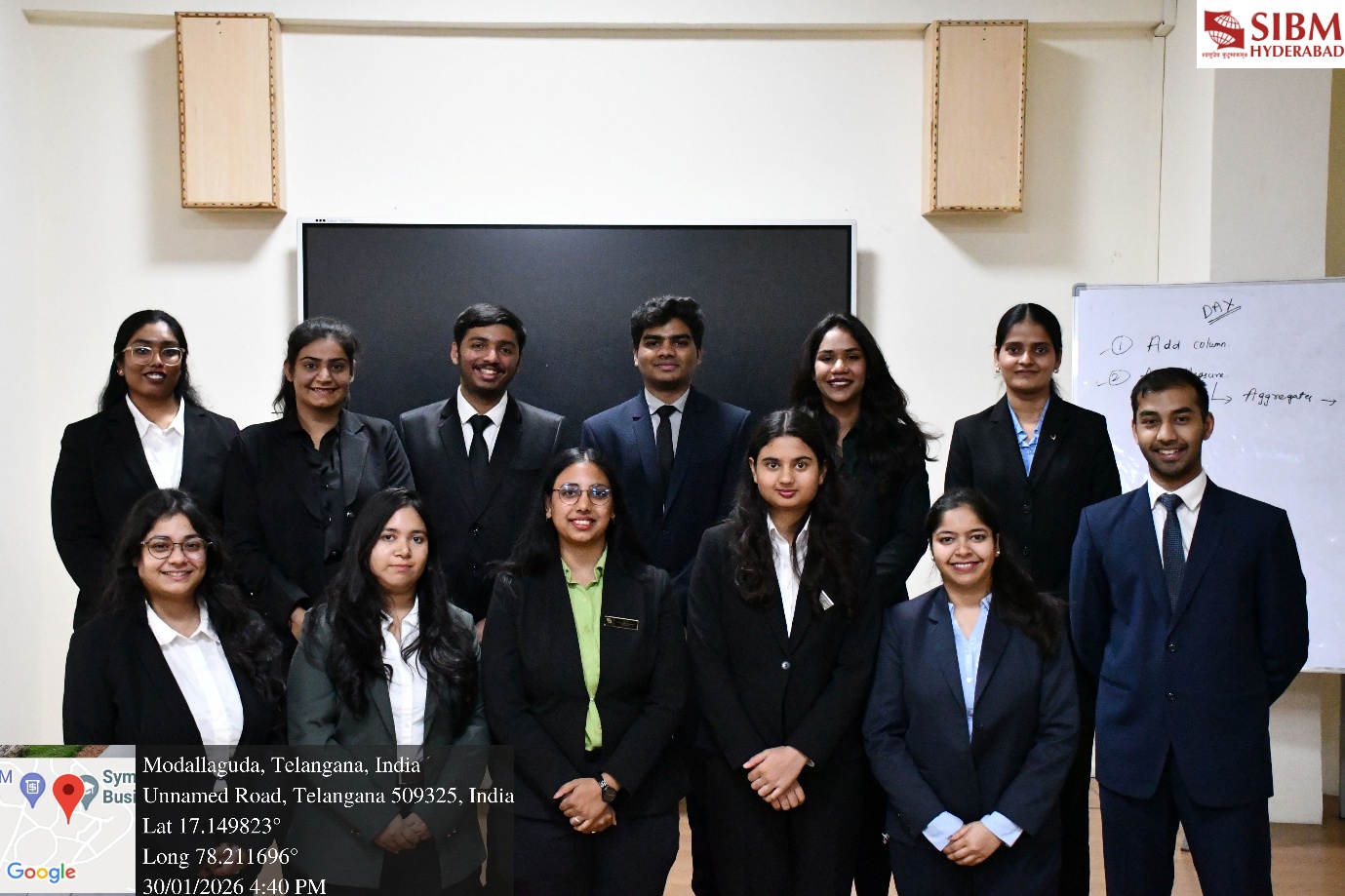
A total of 12 research papers were presented by participants representing diverse research interests across finance, marketing, technology adoption, consumer behaviour, sustainability, and organizational studies.

The presentations demonstrated participants’ ability to apply quantitative research methods, statistical tools, and theoretical frameworks learned during the earlier sessions of the programme.

The following research papers were presented during Phase 3:

  1. The Financial Impact of Digital Contagion: An Event Study on Negative Virality and Brand Activism’s Effect on Stock Returns of Indian Listed Firms
  2. Social Media Marketing and Investment Awareness Among Youth
  3. Digital Detox and Well-Being: Do “No-Phone Hours” Improve Quality of Life?
  4. Policy Perception and Organizational Commitment in the IT/ITES Industry: The Mediating Role of Perceived Organizational Support
  5. Consumer Perceptions of Eco-Friendly Packaging and Their Influence on Purchase Intentions
  6. Integrating Artificial Intelligence into Sustainable Marketing Strategies to Enhance Consumer Loyalty and Competitive Advantage
  7. Measuring Operational Efficiency of Asia-Pacific Airlines Using Time-Series Analysis
  8. Adoption of Generative AI Tools for Learning Among Higher Education Students
  9. Dynamics Between Gold Prices and the Indian Stock Market: An Empirical Analysis Across Economic Regimes
  10. Role of Service Recovery Quality in Shaping Customer Forgiveness, Trust, Satisfaction, and Loyalty in Service Industries
  11. Over-Personalization Stress: How Hyper-Customized AI Interfaces Increase Subconscious Cognitive Fatigue
  12. From Learning Support to Academic Dependence: Investigating Student Reliance on Generative AI Study Tools in Higher Education
  13. Risk Perception and Investment Behaviour of Young Cryptocurrency Investors

7.1 Academic Significance of the Presented Papers

The research papers collectively reflected emerging themes in contemporary management research, including:

  • Digital transformation and AI adoption
  • Sustainable marketing and consumer behaviour
  • Financial market dynamics and investment behaviour
  • Technology-enabled learning environments
  • Organizational behaviour and employee perceptions
  • Service quality and customer relationship management

The presentations demonstrated participants’ ability to integrate theoretical frameworks, empirical data analysis, and quantitative methodologies, reflecting the learning outcomes of the Research Week programme.

7.2 Publication and Recognition

Outstanding papers from the presentation round will be shortlisted for:

  • Merit Awards
  • Consideration for publication in SIBM Hyderabad’s peer-reviewed journal – Trends in Management Research Journal

8. Conclusion

Research Week 2025 successfully fulfilled its objective of enhancing quantitative research capabilities among young scholars and faculty members. Through a structured combination of training, mentoring, and research presentations, the programme created a meaningful academic platform that encouraged rigorous research practices and publication-oriented thinking.

The collaboration with SPSS South Asia further enriched the technical depth of the sessions and strengthened participants’ exposure to industry-standard analytical tools.

The success of this initiative reinforces the commitment of SIBM Hyderabad to promoting research excellence and fostering a vibrant academic ecosystem.

Prepared By

Dr. Shivoham Singh
Faculty Coordinator – Cell of Research (CoRe)
Symbiosis Institute of Business Management
Hyderabad
facebook x linkedin youtube instagram wordpress
Visit SIU Website Symbiosis Uniform Portal Symbiosis Merchandise Store