

The objective of placing a Tharuni NGO stall on campus during Elysium 9.0 was to support and promote the livelihood initiatives of abuse survivors by providing them a platform to showcase and sell their handcrafted products. The initiative aimed to create awareness about Tharuni's work, encourage social entrepreneurship, and foster a sense of responsibility and empathy among students by directly engaging them with survivor-led economic empowerment efforts.
The two-day Tharuni stall during Elysium 9.0 was a meaningful and impactful experience. It helped generate awareness about the NGO's mission while supporting the survivors financially through product sales and custom orders. The event strengthened students' understanding of social responsibility, ethical consumption, and women empowerment. It also enhanced teamwork, communication, leadership, and event management skills among the organizing members, while reinforcing the importance of community engagement and inclusive growth.
As part of Elysium 9.0, Team Shakti collaborated with Tharuni NGO to set up a stall on campus for a duration of two days. The purpose of this initiative was to provide a platform for the sale of handcrafted products made by the girls at Tharuni and to support their journey toward financial independence and social reintegration. The stall aimed not only at generating income for the survivors but also at spreading awareness among students and faculty about the impactful work carried out by the NGO.
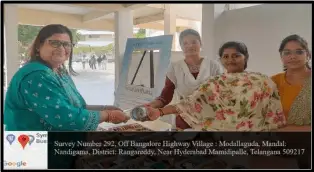
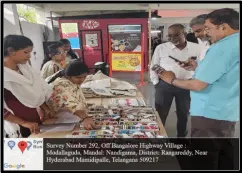
Tharuni volunteers with faculties
The stall showcased a wide range of handmade products such as bangles, tote bags, jewellery, and other accessories. Each item reflected the creativity, effort, and skills developed by the girls through vocational training at Tharuni. Along with ready-made products, the stall also accepted custom orders, which were carefully noted and delivered the following day. This initiative allowed buyers to engage more meaningfully with the cause while supporting sustainable livelihood opportunities for the survivors.The stall showcased a wide range of handmade products such as bangles, tote bags, jewellery, and other accessories. Each item reflected the creativity, effort, and skills developed by the girls through vocational training at Tharuni. Along with ready-made products, the stall also accepted custom orders, which were carefully noted and delivered the following day. This initiative allowed buyers to engage more meaningfully with the cause while supporting sustainable livelihood opportunities for the survivors.
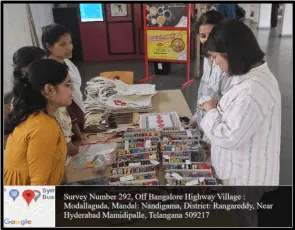
Students buying from the stall
Throughout the two days, Team Shakti actively managed the stall, interacting with visitors and explaining the significance of Tharuni's work. Students and faculty showed keen interest in understanding how the NGO helps abuse survivors rebuild their lives through counseling, education, and skill development. Many visitors appreciated the quality, affordability, and uniqueness of the handmade products, which resulted in steady sales and multiple advance orders. The tote bags and bangles, in particular, received an enthusiastic response due to their practical use and aesthetic appeal.
The stall served as more than just a marketplace; it became a space for meaningful conversations around women empowerment, ethical consumption, and social responsibility. Visitors were encouraged to view their purchases as a contribution toward the emotional, educational, and economic rehabilitation of the girls at Tharuni. This interaction helped sensitize the campus community to the importance of supporting survivor-led initiatives and NGOs working at the grassroots level.
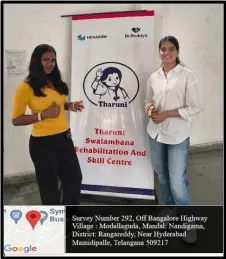
Students at the stall
Managing the stall over two days provided Team Shakti members with valuable experiential learning. Coordinating sales, handling customer queries, maintaining records of orders, and ensuring timely delivery helped develop teamwork, communication, leadership, and organizational skills. The experience reinforced the idea that social impact initiatives can be effectively integrated into campus events, creating awareness while making a tangible difference.
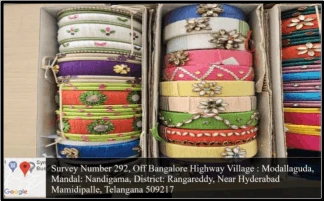
Bangles at the stall
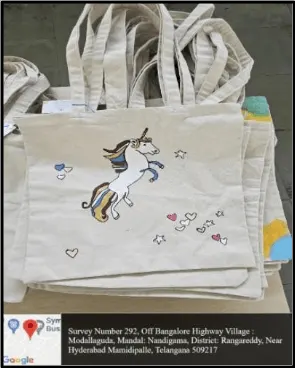
Bags at the stall
The Tharuni stall at Elysium 9.0 successfully blended festivity with purpose. It highlighted how collective efforts by students can contribute to empowerment and social change, leaving a lasting impression on both the organizers and the campus community.
The Tharuni stall organized on campus during Elysium 9.0 strongly aligned with several United Nations Sustainable Development Goals (SDGs) by promoting empowerment, inclusion, and responsible community engagement.
The initiative directly supported gender equality by empowering women and girl survivors of abuse through livelihood opportunities. By providing a platform to sell handcrafted products made by the girls at Tharuni, the event contributed to their economic independence, confidence-building, and social reintegration.
The stall promoted decent work by encouraging skill-based employment for survivors. The sale of handmade bangles, tote bags, jewellery, and acceptance of custom orders helped generate sustainable income, reinforcing the importance of dignified and productive work opportunities for marginalized groups.
By connecting the campus community with survivor-led initiatives, the event helped bridge social and economic gaps. Supporting products made by abuse survivors encouraged inclusive participation and reduced inequalities faced by vulnerable sections of society.
The initiative promoted responsible consumption by encouraging students and faculty to choose ethically made, handcrafted products. The focus on handmade and need-based production, including custom orders, emphasized sustainable and mindful consumption practices.
The collaboration between Team Shakti, Tharuni NGO, and the institution demonstrated the power of partnerships in achieving social impact. This joint effort highlighted how academic institutions and NGOs can work together to promote empowerment, awareness, and sustainable development outcomes.
The Tharuni stall organized during Elysium 9.0 was a meaningful initiative that successfully combined celebration with social purpose. By providing a platform for the sale of handmade products created by abuse survivors, the event contributed to their economic empowerment while raising awareness within the campus community about the importance of rehabilitation, dignity, and self-reliance. The enthusiastic participation of students and faculty reflected a growing sense of social consciousness and support for ethical and inclusive initiatives.
The experience also proved valuable for Team Shakti, offering practical exposure to collaboration, coordination, and community engagement. It reinforced the idea that sustainable change can be achieved through small but consistent efforts driven by empathy and responsibility. Overall, the initiative left a lasting impact by promoting empowerment, partnership, and responsible consumption, aligning strongly with the values of social development and inclusive growth.


