

To educate students on workplace sexual harassment, legal protection under the POSH Act, and the importance of building a respectful and safe work environment. The session emphasized awareness, prevention, early intervention, and the responsibility of every individual to maintain workplace dignity.
Participants gained a comprehensive understanding of the POSH Act, types of sexual harassment, reporting mechanisms, and real-life examples through interactive discussion and video explainers. The workshop fostered sensitivity, respect, and awareness about acceptable behaviour in academic and corporate environments.
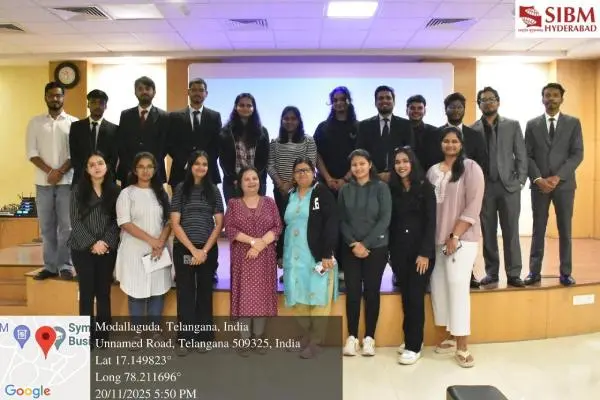
(Team Shakti with Dr. Poulami Ghosh)
The Shakti Women Development and Social Responsibility Cell of SIBM Hyderabad organised an awareness session titled Understanding POSH & Workplace Respect, delivered by Dr. Poulami Ghosh, an experienced advocate for workplace ethics, women's safety, and prevention of sexual harassment. The session aimed to provide students with a thorough understanding of the legal, ethical, and behavioural dimensions that govern safe and respectful workplace environments.
Dr. Ghosh began the session by emphasizing the crucial role of dignity, safety, and mutual respect in any professional setting. She highlighted that creating a harassment-free workplace is not just a legal requirement but a shared responsibility among all employees. The speaker provided a structured definition of sexual harassment as per the POSH Act, which includes any unwelcome behaviour-physical, verbal, written, visual, or digital-that is sexual in nature and violates a person's dignity or sense of safety.
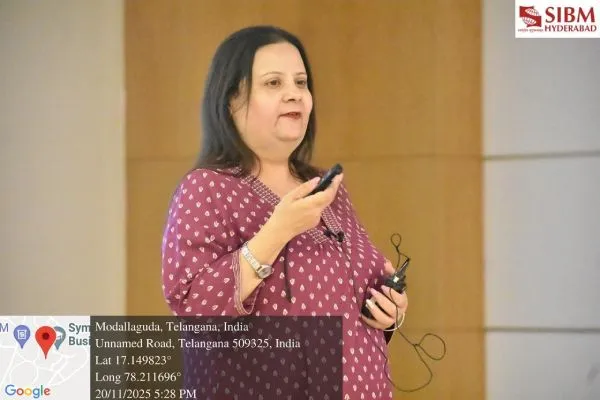
(Dr. Poulami Ghosh)
The session formally highlighted several actionable behaviours that constitute sexual harassment at the workplace, emphasizing the importance of identifying and reporting them promptly. These include unwelcome physical contact, requests or demands for sexual favours, and sexually coloured remarks that make an individual uncomfortable. Participants were also informed that displaying pornographic material, stalking, leering, or giving repeated unwanted attention are serious violations. Additionally, offensive jokes or comments about a person’s gender or body, along with inappropriate messages or digital communication, also fall under prohibited behaviour. The session aimed to ensure that students clearly understand these boundaries to promote a safe and respectful work environment.
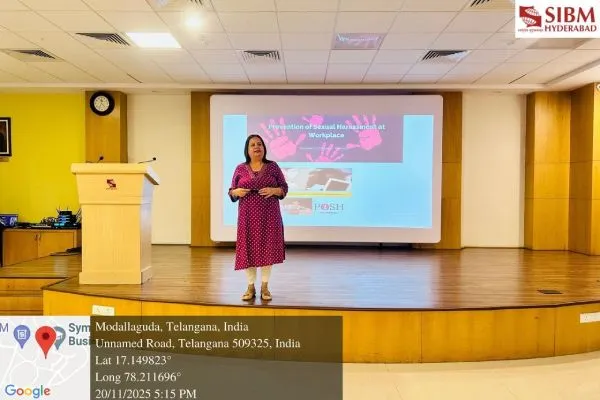
(During the session)
Curated informational videos were shown during the session to help students gain a clearer understanding of how sexual harassment commonly occurs in workplaces, often beginning with subtle behaviours that may go unnoticed. These videos also highlighted the emotional, psychological, and professional impact such incidents can have on victims, emphasizing the long-term consequences they may face. Additionally, the importance of bystander intervention was reinforced, encouraging individuals to recognize red flags, support victims, and actively contribute to creating safer professional environments.
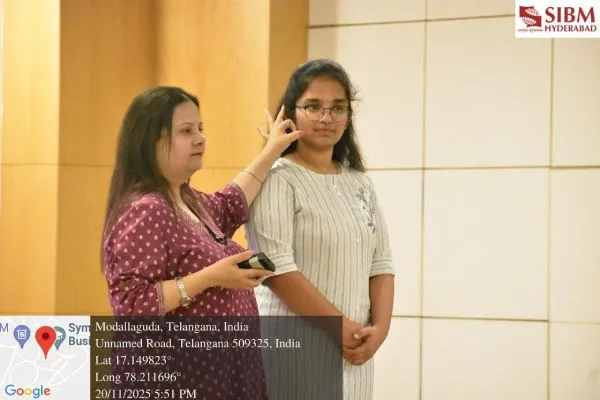
(Demonstration of harassment)
These visual examples provided students with deeper clarity and reinforced the seriousness of workplace ethics and behavioural boundaries. Building on this, Dr. Ghosh explained that sexual harassment is formally classified into two primary categories, illustrating each with real-life scenarios. The first, Quid Pro Quo Harassment, occurs when a person in a position of authority demands, hints at, or implies the need for sexual favours in exchange for professional benefits such as promotions, favourable performance reviews, project opportunities, internships, or job confirmations-she emphasized that even subtle suggestions of such conditions are legally punishable. The second category, Hostile Work Environment, includes any behaviour that causes discomfort, fear, humiliation, or emotional distress at work. She shared examples such as sexist jokes, inappropriate advances, intrusive personal questions, unwanted physical proximity, repeated unwanted messages, and the display of objectionable images, all of which can significantly impact an individual's well-being and safety in the workplace.
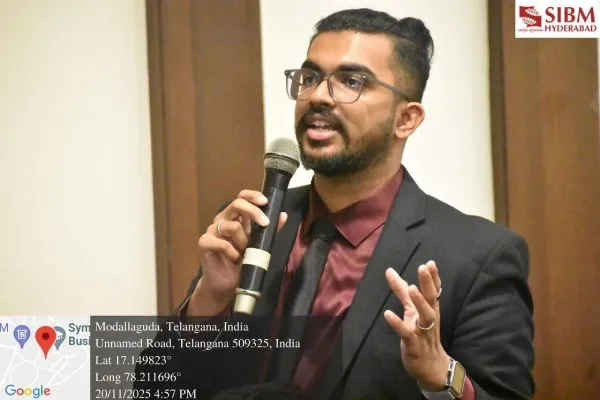
(Student Interaction)
Dr. Ghosh also explained on how to conduct ourselves while interacting with same or different gender. She explained where not to touch and how to behave in a way which doesn't cause discomfort to the other person. Lastly, she added that "Your intent is not the main concern but what impact it makes is".
The workshop aligns closely with global Sustainable Development Goals, reinforcing SIBM Hyderabad's commitment to fostering a safe, inclusive, and equitable environment. It directly supports SDG 5: Gender Equality by promoting safer academic and professional spaces, encouraging individuals-especially women-to speak up against inappropriate behaviour, and empowering them with the knowledge of their rights and available protections. Additionally, it contributes to SDG 16: Peace, Justice & Strong Institutions by strengthening awareness of lawful and fair redressal mechanisms, building trust in institutional processes, and emphasizing the importance of transparent, accountable systems that safeguard dignity and justice for all. Through such initiatives, the institution nurtures a culture rooted in respect, equality, and ethical responsibility.
The session highlighted the importance of awareness, empathy, and timely reporting. Students expressed how the workshop clarified misconceptions and empowered them with knowledge of their rights and responsibilities. It reinforced SIBM Hyderabad’s commitment to building respectful, secure, and gender-sensitive environments.
The session highlighted the importance of awareness, empathy, and timely reporting. Students expressed how the workshop clarified misconceptions and empowered them with knowledge of their rights and responsibilities. It reinforced SIBM Hyderabad’s commitment to building respectful, secure, and gender-sensitive environments.


